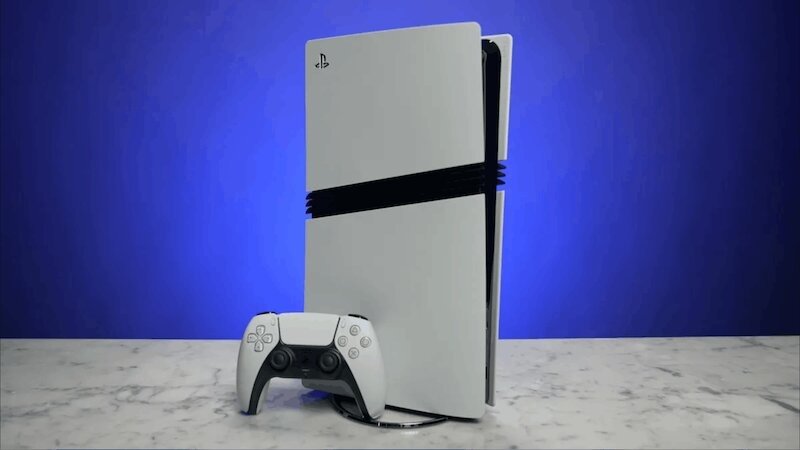
The Sony PlayStation Disc Future is becoming a major topic among gamers following Sony’s announcement that physical disc production for new PlayStation games will end in January 2028. This decision marks an important change in the gaming industry, where digital downloads are gradually replacing traditional physical game releases. For millions of PlayStation fans, the announcement raises questions about game ownership, physical collections, future console support, and the availability of boxed games.
Sony’s decision does not mean that existing PS4 and PS5 discs will suddenly stop working. Instead, it signals a transition in how new PlayStation games will be distributed. Understanding this change is important for players who prefer physical copies, collectors, and anyone planning to invest in PlayStation gaming over the next few years.
Sony’s 2028 Decision: Why Is PlayStation Ending Disc Production?
On July 1, 2026, Sony Interactive Entertainment officially announced that physical game disc production for new games released on PlayStation consoles would be discontinued starting January 2028.
According to Sony, changing consumer preferences and the growing popularity of digital entertainment are the main reasons behind this decision. The company wants to focus more on digital distribution through the PlayStation Store and digital purchasing options offered by retailers.
The financial numbers also help explain this direction. Digital downloads accounted for approximately 80% of Sony’s full-game software sales during fiscal year 2025, according to Reuters.
This shift suggests that digital gaming has become an important part of Sony’s business strategy. However, it also means that players who prefer purchasing physical editions will have fewer options for future releases.
What Will Happen to Physical PlayStation Games After January 2028?
One of the biggest concerns surrounding the Sony PlayStation Disc Future is whether physical games will completely disappear.
Sony’s announcement specifically concerns the production of physical discs for new PlayStation games from January 2028. Games that have already been released or are scheduled to receive physical disc releases before that date are not affected by this transition.
Here is what players should understand:
- Existing physical PS4 and PS5 games will not automatically become unusable.
- Previously released disc games will remain available through existing retail and secondhand stock.
- New PlayStation releases from January 2028 will move to digital-only distribution.
- Physical disc collections will continue to exist, although their availability will depend on retailers and remaining stock.
This distinction is important because stopping the manufacturing of new game discs is not the same as disabling existing disc-based games.
Will PlayStation Still Sell Physical Game Boxes?
Interestingly, Sony has discussed another option for maintaining relationships with physical retailers.
In its July 31, 2026, financial results Q&A, Sony explained that it plans to introduce a retail sales model in which packages contain digital download codes instead of physical game discs.
This means customers could potentially continue purchasing boxed PlayStation game products from traditional retailers, but the packaging would contain a download code rather than a playable disc.
Such a model could preserve some aspects of the traditional retail experience, including gift purchases and physical packaging.
However, it would not provide the same benefits as owning an actual game disc. Players would still depend on digital accounts, download access, and the availability of the relevant game on Sony’s platform.
How Will the Sony PlayStation Disc Future Affect PS5 Owners?
For current PS5 owners, Sony’s announcement does not mean that their consoles will immediately lose physical gaming functionality.
Players with compatible PS5 models can continue using supported physical game discs. Existing disc-based games are not included in the January 2028 production change.
The situation is different for gamers who regularly purchase newly released physical editions. After the transition begins, they will need to consider digital purchases or alternative retail packages containing download codes.
This could influence purchasing decisions for people who prefer collecting game cases, purchasing discounted used games, or sharing physical copies with family and friends.
For now, PS5 owners do not need to replace their existing consoles simply because Sony has announced a change in future game distribution.
Physical Games vs Digital Games: What Are Players Losing?
The move towards digital gaming offers several advantages, but physical discs provide benefits that digital downloads cannot completely replace.
Physical game advantages:
- Resale opportunities: Players can sell games after completing them.
- Game sharing: Physical copies can be lent to friends and family.
- Collectible value: Special editions, artwork, and original packaging attract collectors.
- Secondhand discounts: Used games can provide affordable alternatives to expensive new releases.
- Game preservation: Physical copies can help preserve gaming history.
Digital game advantages:
- Instant purchasing through the PlayStation Store.
- No need to store or change physical discs.
- Convenient access to downloaded game libraries.
- Digital promotions and online subscription options.
- No risk of physical disc scratches or damage.
Neither format is perfect. Digital purchases offer convenience, while physical games provide greater flexibility for resale, sharing, and collecting.
The main concern is whether players will continue to have meaningful purchasing choices as physical releases become unavailable.
Could Digital-Only PlayStation Gaming Become More Expensive?

Another important question is how this transition could affect game prices.
Physical retailers currently compete through discounts, promotional offers, and secondhand markets. These options help players find games at different price points.
With fewer physical releases, the PlayStation Store could become increasingly important for purchasing new titles. Digital pricing, regional promotions, and retailer download-code offers may therefore have a greater influence on consumer spending.
However, Sony has not announced that digital game prices will increase because of the disc production decision.
The actual financial impact will depend on future pricing policies, retailer agreements, regional availability, and promotional offers.
For gamers, maintaining affordable access to new releases will be an important part of whether the digital transition succeeds.
Will Physical PlayStation Games Become Collectibles?
The Sony PlayStation Disc Future could also change the value and importance of existing physical game collections.
When new physical releases become unavailable, collectors may place greater importance on limited editions, rare releases, and older PlayStation titles.
Physical games from previous generations already attract collectors who appreciate original packaging, artwork, and gaming history.
However, it would be incorrect to assume that every PS4 or PS5 disc will automatically increase in value. Collectible prices depend on rarity, condition, demand, and the popularity of individual titles.
For dedicated collectors, the coming years may be an important opportunity to complete their collections while physical releases are still available.
What Does Sony’s Decision Mean for the Future of Gaming?
Sony’s decision reflects a broader transformation in the entertainment industry. Music, films, television, and gaming have all experienced a gradual shift towards digital distribution.
PlayStation is now moving further in the same direction.
However, digital gaming also creates challenges involving internet accessibility, storage requirements, account security, and long-term game availability.
These issues are particularly important for players in regions where high-speed internet is expensive or unreliable.
Sony will need to consider these practical concerns while developing its future digital gaming ecosystem.
The company has also acknowledged that it will continue communicating with retail partners and considering player expectations during the transition.
FAQ’s
Q1. What is the Sony PlayStation Disc Future?
Sony plans to discontinue physical disc production for new PlayStation games starting January 2028, moving future releases towards digital distribution.
Q2. When will Sony stop making PlayStation game discs?
The announced date is January 2028 for new games released on PlayStation consoles.
Q3. Will existing PS5 discs stop working in 2028?
No. Sony has clarified that games already released or scheduled for physical release before January 2028 are not affected by the decision.
Q4. Will retailers still sell PlayStation games?
Sony plans to explore retail packages containing digital download codes instead of physical discs.
Q5. Why is Sony moving towards digital-only games?
Changing consumer preferences and the growing popularity of digital purchases are the main reasons behind the decision.
Q6. Will physical PS4 and PS5 games become more valuable?
Some rare or collectible releases may attract more interest, but future prices will depend on demand, condition, and availability.
Q7. Is Sony discontinuing PS5 disc drives in 2028?
Sony’s announcement concerns physical game disc production. It does not announce that existing compatible PS5 disc drives will stop working in January 2028.
Conclusion
The Sony PlayStation Disc Future represents a significant change in how PlayStation games will reach consumers. Sony has confirmed that physical disc production for new PlayStation games will end starting January 2028, while existing and previously scheduled physical releases remain unaffected.
Digital distribution will become the primary way to access new PlayStation titles, with retailers potentially offering packaged download codes instead of traditional discs.
For some players, this change will provide a more convenient gaming experience. For others, it raises concerns about game ownership, affordability, collecting, and preservation.
Ultimately, the future of PlayStation gaming will depend on how successfully Sony balances digital innovation with the expectations of its existing community. Physical gaming may become less common, but its importance to collectors and longtime PlayStation fans is unlikely to disappear overnight.